
Setsuyaku Life / Guides
Thoughtful gifts start with a budget: celebrate without straining your finances
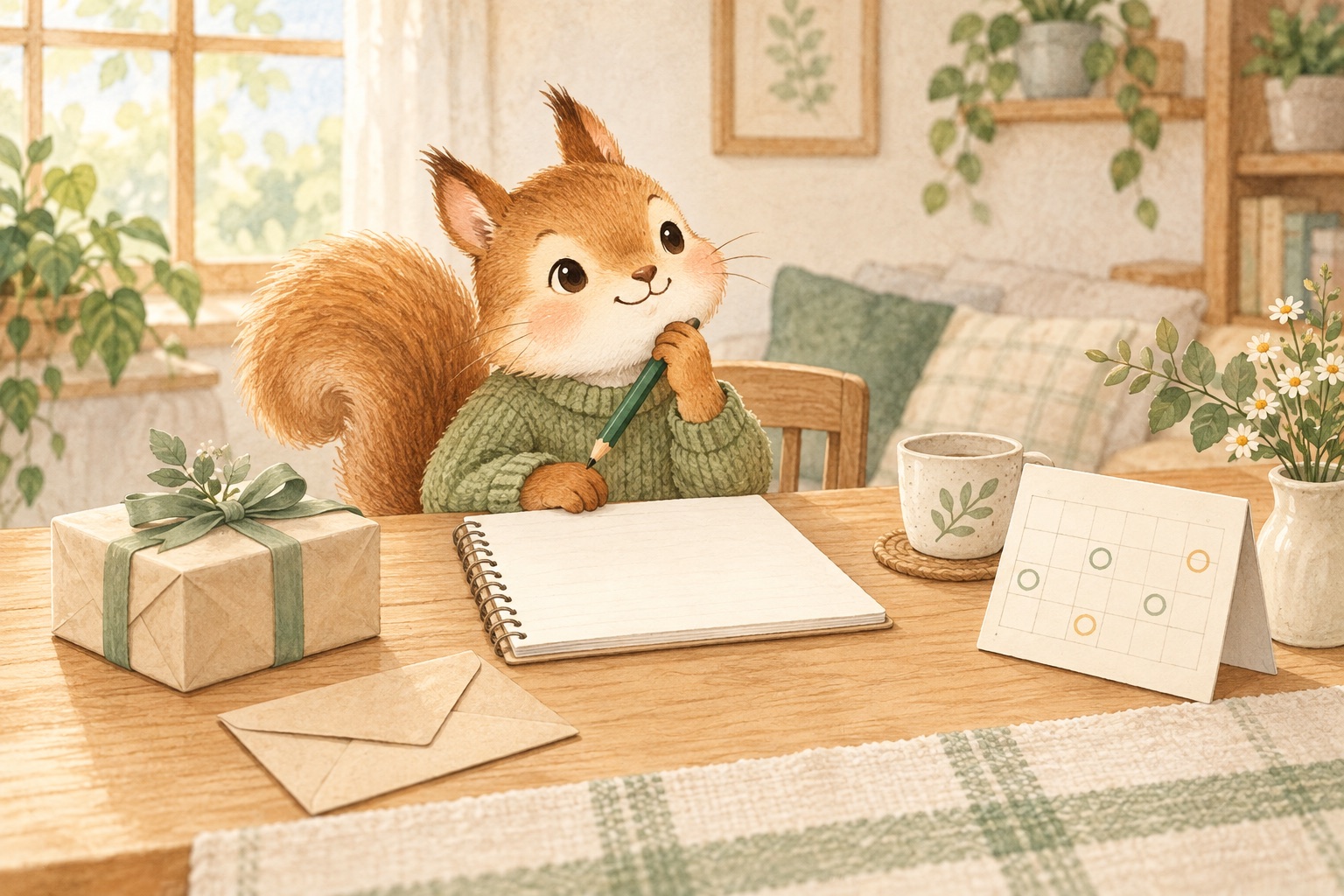
A birthday present or a small thank-you: does the budget slip down the list as you think about the recipient? Before browsing products, note the occasion and total amount. A little planning can help you prepare warmly without unnecessary extras.
Start with one line: who, why and when
While browsing, it is easy to think “that looks good too” or “perhaps one extra item would please them.” Before comparing more products, return to the occasion.
For example: “A thank-you for a friend who helped, to give when we next meet.” This is a hypothetical illustration. Once those three details are clear, it is easier to decide whether a large box is needed or something easy to carry would be better.
The easiest kind of birthday or celebration gift to accept depends on the relationship and situation. Before matching other people’s spending, write what you want to express. You need not rush into giving something at all.
Budget for the total payment, not just the item
Include shipping and extra wrapping as well as the item price. Even for shop collection, consider the time and travel involved in a special trip.
The following table is a hypothetical calculation using a total budget of JPY 2,500. It assumes an item at JPY 2,000, shipping at JPY 500 and no additional wrapping purchase. These are not actual prices, delivery rates or customary gift amounts, nor a recommended budget.
JPY 2,000 + JPY 500 + JPY 0 = JPY 2,500. If another option has shipping or wrapping charges, add them before comparing. Using wrapping on hand does not mean it originally cost nothing; this example assumes no new purchase this time.
If the total is over budget, review the size or delivery method before cutting other necessary spending. Make affordability within your everyday budget a starting condition.
| Assumed breakdown | Assumed payment this time |
|---|---|
| Gift item | JPY 2,000 |
| Shipping | JPY 500 |
| Additional wrapping | JPY 0 (assuming existing wrapping is used) |
| Total | JPY 2,500 |
Narrow it to a couple of options and picture how they will use it
An ever-growing shortlist can make choosing exhausting. Try narrowing it to about two options within budget. Two is a guide, not a rule.
Picture the recipient using it, rather than focusing on price: is it easy to take home, store and use? If their tastes or availability are unclear, gently asking may help.
If you feel like adding “just one more thing,” ask whether it helps express your intention. A small item, a few words and thoughtful timing can be enough. More items are not always needed.
Start with wrapping you have; it need not become a project
Before buying wrapping supplies, look around for a clean, suitable bag, wrapping or plain card. Choose something appropriate for the person and occasion.
You do not need to squeeze a gift into unsuitable wrapping or start a lengthy craft project. If adequate wrapping is already provided, using it as it is can be fine. Check once that matching the look is not creating extra purchases.
A short message is enough: “Thank you for your help the other day” or “Let’s catch up when things settle down.” These are wording examples, not records of gifts the author has given.
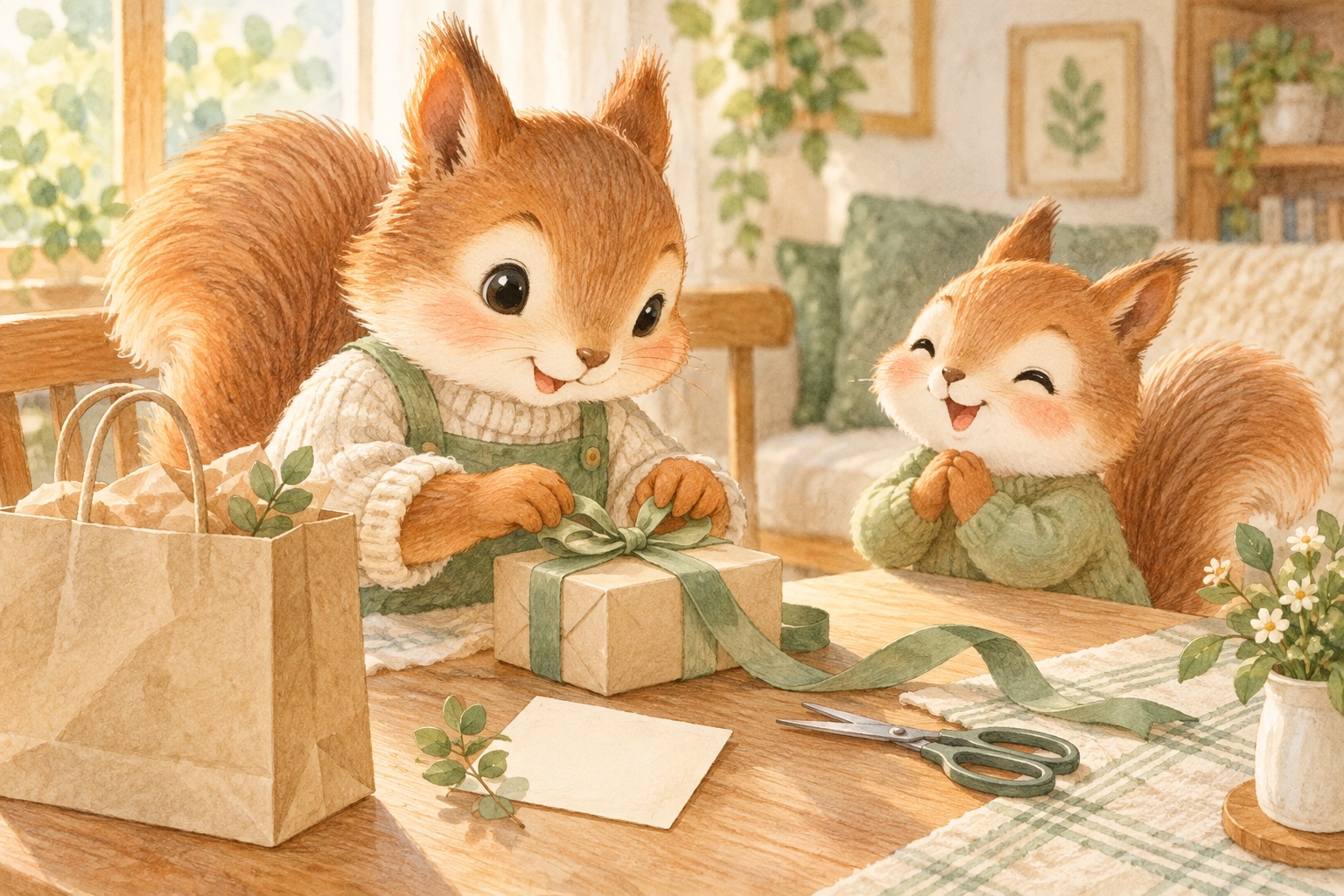
Choose a gift that does not burden either of you
A gift can sometimes feel burdensome to receive. Expensive or large is not always better, and some people may worry about reciprocating. Do not assume their preferences; leave room to ask when needed.
If annual celebrations feel costly and your relationship allows it, you might agree to smaller gifts or celebrate with words this time. No single approach fits every occasion.
There is also no need to reject spending on occasions that matter to you. Set priorities within your finances and choose deliberately. A total budget helps you prepare; it is not a rule against celebrating.
Keep a three-line note for next time, rather than a shopping list
At the end, write three lines: the occasion, total amount and date for giving or delivery. Clear timing and a budget can help you reconsider last-minute extras without recording every product detail.
- Occasion: What do you want the gift to express?
- Total: How much will you spend, including costs beyond the item?
- Plan: When and how will you give it?
Afterwards, note one useful lesson, such as “existing wrapping was enough” or “I should have checked availability earlier.” These illustrate a review method, not achieved savings.
You can care about the recipient and protect your everyday finances. Start your next gift with one line before browsing, and prepare with a comfortable budget and plan.
Final checklist
- Write the occasion and intended message in one line
- Set a total including the item, shipping and extra wrapping
- Keep the shortlist manageable and picture how it will be used
- Check existing wrapping and choose a manageable way to give
About this article
This article offers general everyday ideas. Situations, messages and reflections are illustrative examples, not the author’s experiences. Amounts are hypothetical calculations with stated assumptions, not current prices, fees or customary gift amounts. Savings are not guaranteed. Images are illustrations.