
Setsuyaku Life / Guides
Use what is in your fridge: simple storage and inventory notes
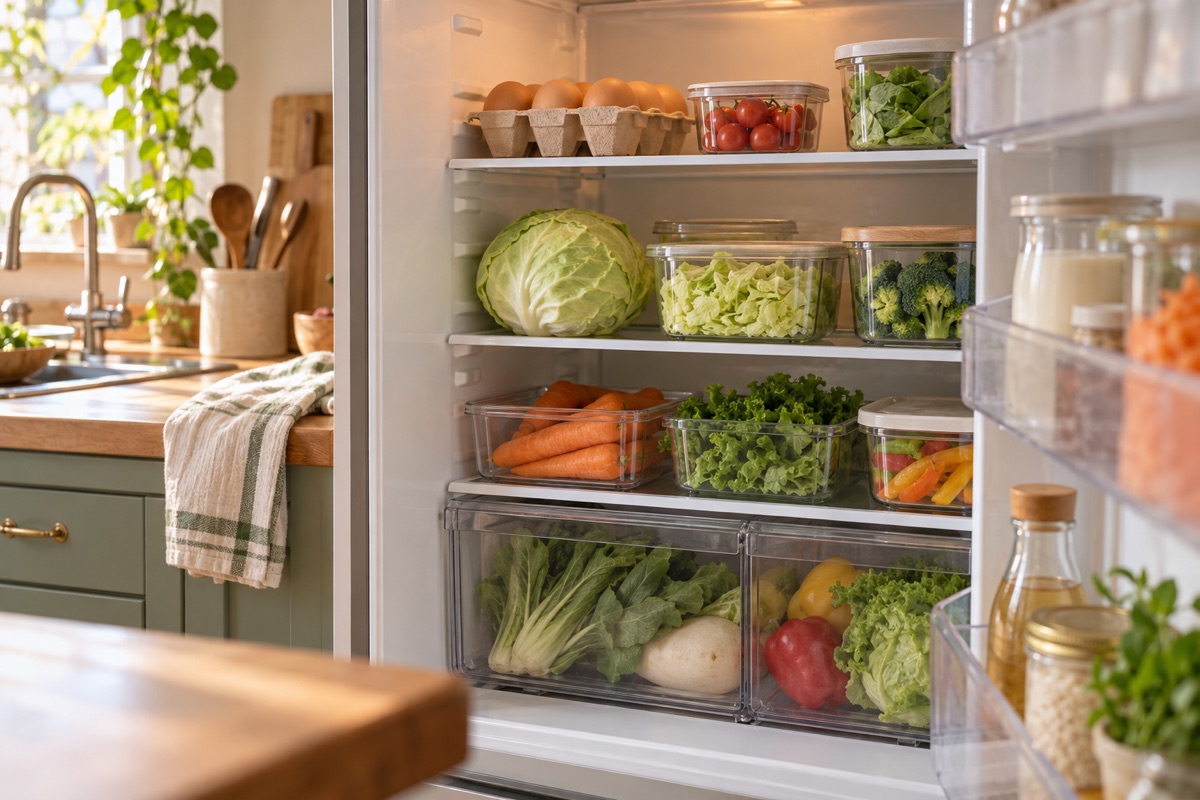
- Forgotten ingredients turn up at the back of the vegetable drawer
- The fridge becomes disorganised again soon after tidying
- Do I need storage products to get organised?
Before buying storage products, make the ingredients you want to use first easier to see. Here are simple fridge checks, inventory-note examples and ways to keep the habit manageable.
Do you need perfect storage to use food up?
A beautifully organised fridge can tempt you to buy matching containers. But when reviewing food spending, its contents matter more than its appearance.
What is left, and what should be used next? If those are clear, storage can look different in every home. Check one overlooked spot before buying new tools.
First step: a quick check of one shelf
Taking everything out can turn a quick check into a long job. Start with one shelf or the front of the vegetable drawer.
Do not leave chilled food out for long, and follow labelled storage instructions. There is no need to eat something of uncertain condition to save money. Put safety first.
Inventory notes: record what to use first, not every detail
Note the ingredients you want to use first. Rough quantities such as “a little carrot” or “two onions” are enough to suggest a dish.
There is no need to move all food together for your note. Keep appropriate storage and hygiene separation, and use the note to show priority. Cross items off as you finish them.
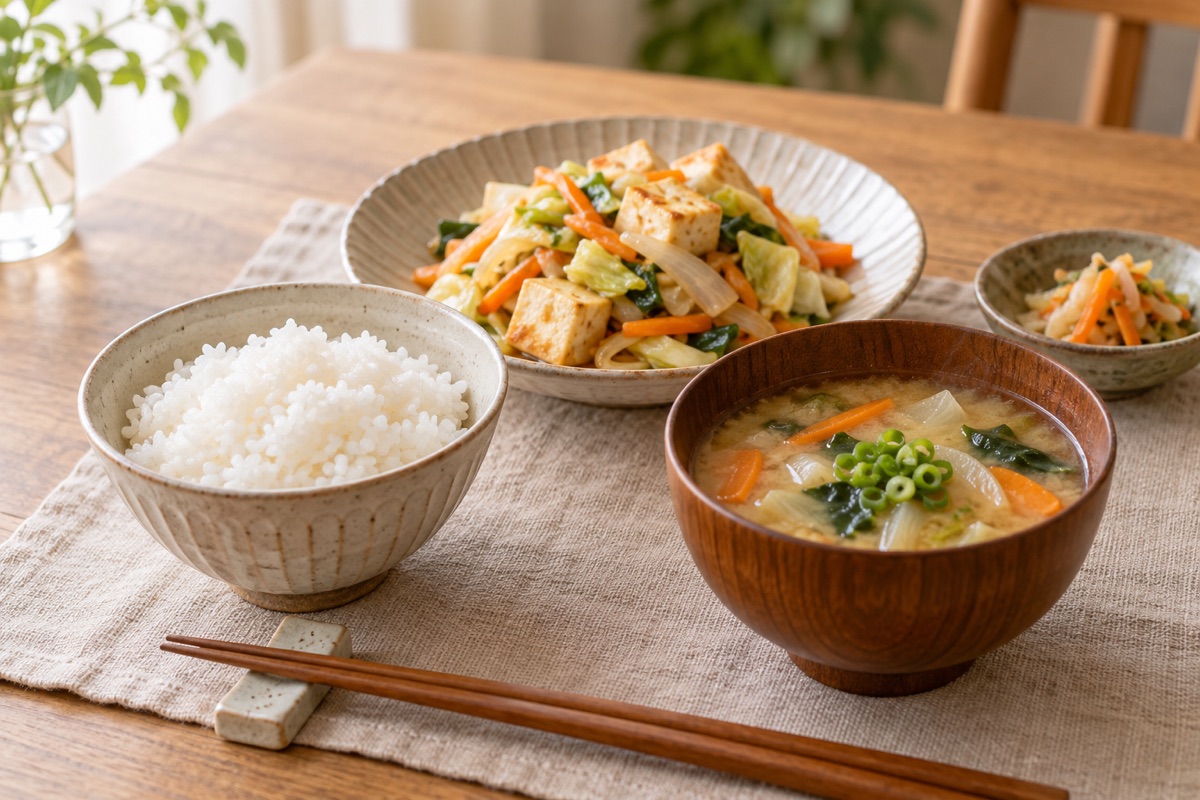
An example: write one possible dish beside an ingredient
An inventory alone may leave you wondering what to do next. Add a short idea, such as “a little carrot → soup.”
Use that note to identify missing ingredients before shopping. Starting with what you have, rather than rebuying everything for a recipe, helps you spot duplicates.
| Storage location / ingredient | Possible use or next check |
|---|---|
| Fridge: a little carrot | Consider using it in soup |
| Fridge: unopened tofu | Check the labelled date and meal plans |
| Cupboard: rice and dried wakame | Add only missing items to the shopping list |
Remember the freezer and cupboard before shopping
Checking only the fridge can lead to duplicate purchases of freezer or cupboard food. A location column helps you remember where to look.
Freezing does not make every food keep indefinitely. Suitable methods vary. Check product labels and official food-safety information for storage and dates.
A common question: must I write down everything every day?
You need not record everything daily. Try reviewing the note before shopping and when something is used up.
If recording is burdensome, limit it to ingredients to use first. A small, clear note may suit you better than a detailed system you cannot maintain.
The goal is knowing what to use next
Matching containers and a perfect appearance are optional. What matters is knowing your stock before buying more and remembering it when cooking.
Before your next meal, check one fridge shelf and think of one dish you could make. That is enough organising for today.
Final check: what could you try today?
You do not have to change everything at once. Try one thing at your next shop or meal.
- Chosen a small area to check quickly
- Checked labelled dates and storage instructions
- Noted ingredients to use first
- Thought of one possible dish
Further reading
This source supports the general approach to reducing food waste. The notes and plans in this article are examples created by this site.
Consumer Affairs Agency: organising the fridge as a familyAccessed October 22, 2026