
Setsuyaku Life / Guides
Before shopping less often: plan purchases you will actually use
- Bulk buying on sale has not reduced my food bill
- Should I shop only once a week?
- I want to save without losing the enjoyment of meals
Bulk packs or small quantities—which works better? Use your stock, meal plans and realistic portions to avoid purchases that go unused.
Does bulk buying reduce food bills?
Hearing “shop once a week to save” can make fewer trips seem like the obvious first step. But a low price still costs money if the food goes unused.
Bulk buying is not inherently bad. The key is having meals planned before the next trip and being able to use what you buy. Work on quantities before deciding frequency.
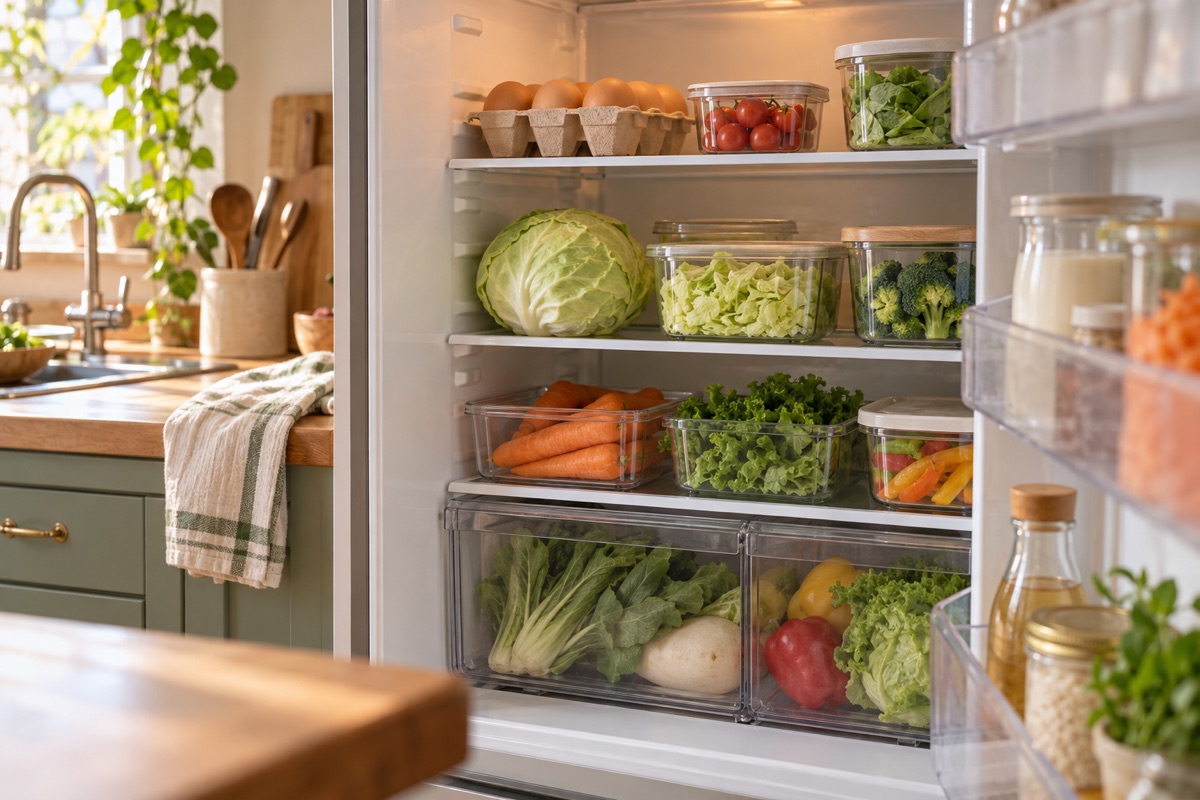
Before shopping: check stock and meal plans together
If onions remain in the fridge and rice in the cupboard, start with meals that use them rather than planning from scratch.
Check the number of meals and people eating at home. You may not need food for days out or absent family members. In uncertain weeks, buy less and top up as needed.
In the shop: decide how you will use it before looking at the price
When you spot a sale, ask “When and how will I use this?” as well as “Is it cheap?” If you have a use, consider it. If price is the only reason, ask whether passing it up would matter.
Small packs and bulk packs suit different needs. Compare the amount you can finish and available storage as well as unit price. Check the label for dates and storage instructions.
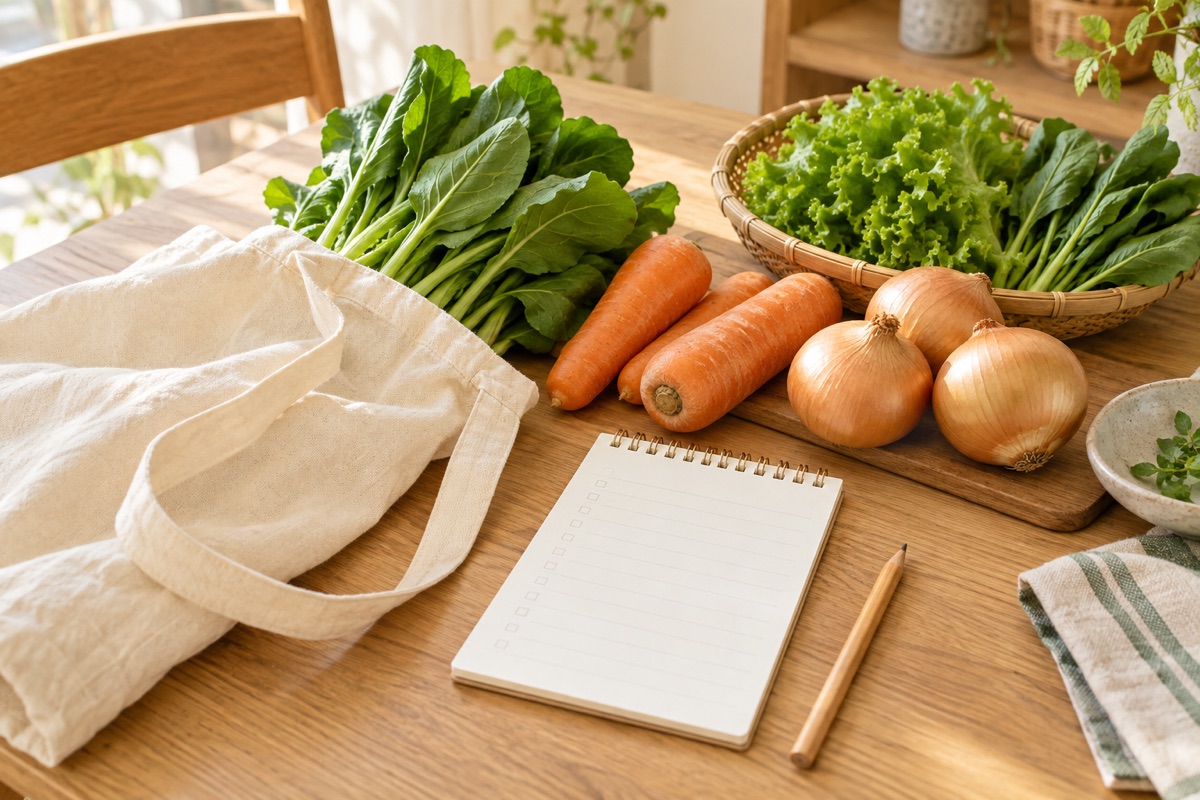
An example: build a list around vegetables at home
Suppose you have onions and carrots and will eat at home tonight. Work out what goes into a soup, then list only what the main dish still needs.
This is a shopping-method example created by this site, not a tested plan for a particular household size or budget. Adapt quantities and ingredients to actual meals.
| Your situation | An approach to consider |
|---|---|
| Meal plans and quantities are clear | Consider buying enough for those meals together |
| Eating out and other plans often change | Buy less and top up when plans become clearer |
| The same ingredient is often left over | Try smaller packs or smaller quantities |
Shopping frequency can fit your life
With stable plans and a clear inventory, shopping for several meals at once may work. If plans change easily or purchases are forgotten, try buying less at a time.
Rather than picking one “correct” method, review whether food was left over and whether top-up trips were too burdensome. Find something sustainable.
A common question: should I avoid sale items?
Sale items are fine when you have a use and can store and finish them safely. Think “buy what I use at a good price,” rather than “buy because it is cheap.”
You need not eliminate treats either. Separating essentials from enjoyable extras can make it clearer where you want to adjust.
For the next trip, a stock check is enough to start
There is no need to perfect both budget and frequency at once. Before your next trip, write down two ingredients at home and one possible dish.
A shopping list should reduce indecision in the shop, not restrict you. Start with a single trip.
Final check: what could you try today?
You do not have to change everything at once. Try one thing at your next shop or meal.
- Checked fridge, freezer and cupboard stock
- Checked meal plans and the number of people
- Considered a use for each purchase
- Checked storage space and labelled dates
Further reading
This source supports the general approach to reducing food waste. The notes and plans in this article are examples created by this site.
Consumer Affairs Agency: reducing food waste at homeAccessed October 22, 2026